What Are Same-Day Dental Crowns in Oxnard CA?
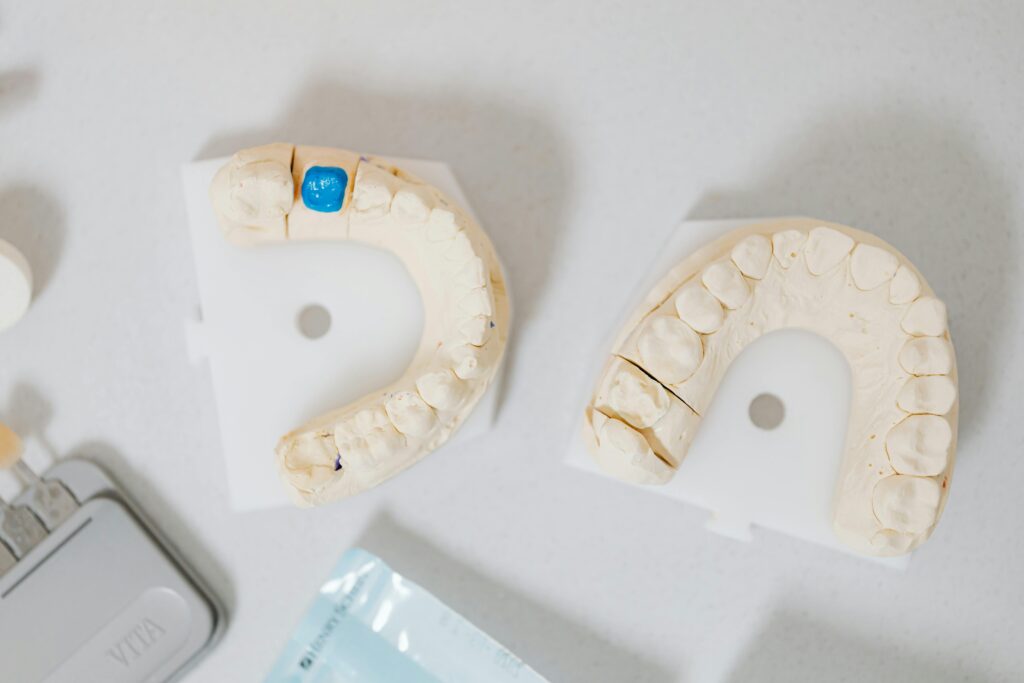
If your dentist tells you that a damaged tooth needs a crown, Dental Crowns Oxnard CA the next question is usually practical, not technical. How many visits will this take, and how long will I have to deal with a temporary?
That is where same-day crowns come in. In many dental offices, including practices offering Dental Crowns Oxnard CA patients often ask about, a crown can be designed, made, and placed in a single appointment. For the right case, that means no second visit, no messy traditional impressions, and no temporary crown that can loosen or break between appointments.
The idea sounds simple, but the details matter. Same-day crowns are not just “faster crowns.” They rely on a digital workflow, chairside milling, and careful case selection. When everything lines up, they can be an efficient and very solid option. When the situation is more complex, a traditional lab-made crown may still be the better choice.
Understanding the difference helps patients make a more informed decision, especially if they are balancing comfort, durability, appearance, and time away from work or family.
What a dental crown actually does
A crown is a custom restoration that covers and protects a tooth that has been weakened, fractured, heavily filled, or treated with a root canal. You can think of it as a protective outer shell shaped to restore both function and appearance.
Dentists recommend crowns for several common reasons. A tooth may have too much structural loss to hold a simple filling. It may have a crack that needs reinforcement. It may be worn down from grinding. In cosmetic cases, a crown can also improve shape or color, though that tends to be approached more cautiously because it involves removing healthy tooth structure.
The goal is not just to make a tooth look normal again. A well-made crown helps distribute biting forces, protects what remains of the natural tooth, and allows you to chew comfortably without putting that tooth at continued risk.
That matters because teeth rarely fail all at once. More often, they weaken over time. A small fracture becomes a larger one. An old filling leaks. A chipped cusp breaks off during lunch, not during a dramatic accident. Crowns are often part of stopping that progression before it becomes a more expensive problem.
How same-day crowns work
Same-day crowns are usually made with CAD/CAM technology, which stands for computer-aided design and computer-aided manufacturing. In practical terms, the process replaces much of the traditional lab workflow with digital tools used right in the dental office.
After the dentist prepares the tooth, a small scanning wand captures a digital impression. That scan creates a three-dimensional model of your tooth and the surrounding bite. The dentist then designs the crown on a computer, adjusting the contours and contact points so it fits the space properly and works with your bite. Once the design is approved, a milling machine carves the crown from a ceramic block in the office. The dentist then refines, polishes, and bonds or cements it into place.
For many patients, the most noticeable difference is what they do not have to experience. There is usually no tray full of impression material sitting in the mouth, no temporary crown to baby for two weeks, and no return visit solely for crown delivery.
From the patient side, the visit still takes time. It is often longer than a standard filling appointment, and depending on the office workflow and the tooth involved, it may run a couple of hours or more. But it is still one visit rather than two.
Why patients in Oxnard often ask about them
In a place like Oxnard, where people are juggling work schedules, school pickups, traffic, and family responsibilities, convenience matters. Dental treatment competes with the rest of life. A crown that can be completed in one appointment removes some of the logistical friction that keeps people from moving forward with needed care.
That is especially true for patients who have already had a temporary crown come loose in the past. Temporary crowns are useful, but they are still temporary. They can fall off, feel rough, trap food, or leave a tooth temperature-sensitive. Even when they behave perfectly, they require a second appointment to replace them with the final restoration.
Same-day crowns reduce that gap. You leave the office with the permanent crown already in place, which can be a real relief if you have a busy calendar or if dental visits make you anxious and you prefer to get the procedure behind you in one sitting.
What happens during the appointment
The actual appointment is straightforward, though it involves several precise steps. First, the tooth is numbed and shaped so the crown will have enough room and proper retention. If there is old decay or a failing filling, that is removed first. Sometimes the dentist also has to rebuild part of the tooth with a bonded core material before moving on.
Next comes the digital scan. Patients are often surprised by how quick this part is. Instead of biting into impression putty, you simply keep your mouth open while the scanner captures images from different angles. If the area is dry and accessible, this tends to go smoothly. If the tooth is near the back of the mouth or the gums are inflamed, the scan can take a bit more finesse.
Once the image is captured, the dentist designs the crown virtually. Some patients can watch this on a screen, which makes the process feel less mysterious. Then the milling unit makes the crown while you wait. During that time, the dentist may check another patient, or the team may prepare the restoration for staining and glazing depending on the material and esthetic demands.
When the crown is ready, the dentist tries it in, checks the fit, confirms the bite, and secures it in place. Small bite adjustments are common. Even a beautifully milled crown can feel slightly high until it is fine-tuned, and that last part is critical. A crown that looks perfect but hits too hard can cause soreness, sensitivity, or jaw strain.
The materials used for same-day crowns
Most same-day crowns are made from ceramic materials, though not Dental Crowns Oxnard CA omnidentalspecialty.com all ceramics behave the same way. Some are known for strength, some for esthetics, and some strike a balance between the two.
A dentist may choose a strong ceramic for a molar that does most of the heavy chewing. For a front tooth, appearance becomes more demanding. Shade matching, translucency, and edge detail matter more there, and in some cases a lab-made crown offers more customization than an in-office milled one.
This is one reason broad claims about one type of crown being “best” tend to oversimplify things. The best crown is often the one that matches the specific tooth, the bite pattern, the amount of remaining tooth structure, and the patient’s expectations.
Patients who grind or clench deserve special mention. Bruxism can be hard on any restoration. Same-day ceramic crowns can perform well, but the material choice, crown thickness, and bite design become even more important. In those cases, many dentists also recommend a night guard to protect both the crown and the surrounding teeth.
The biggest advantages
The appeal of same-day crowns is easy to understand once you have been through the traditional process. They solve a few of the most common frustrations in one move.
- One appointment instead of two
- No temporary crown in most cases
- Digital impressions rather than traditional putty impressions
- Faster return to normal chewing and routine
- Immediate resolution for some urgent restorative problems
Those benefits are meaningful, but speed is not the only point. Digital workflows can also be very precise. A good scan captures details accurately, and the software helps the dentist evaluate fit and anatomy before the crown is ever milled. That can produce a restoration that seats well and requires less adjustment, though the final result still depends heavily on the operator’s skill and judgment.
For patients with a strong gag reflex, the digital impression alone can feel like a major upgrade. Traditional impression material is effective, but not everyone tolerates it well. The scanner tends to be easier for those patients, especially when the dentist works efficiently.
Where same-day crowns may not be the best fit
This is the part many marketing pages skip, but it matters. Same-day crowns are excellent in many cases, not all of them.
If the tooth is far back and difficult to isolate, the scan may be challenging. If the margin of the crown extends deep under the gumline, a traditional impression or a lab-fabricated approach may offer better control. If the bite is very complex, or if multiple neighboring teeth need major reconstruction at the same time, sending the case to a skilled dental lab can be the smarter route.
Front teeth can also be a gray area. A same-day crown can absolutely work on an anterior tooth, but esthetics are unforgiving there. Tiny differences in color layering, light transmission, and shape are easier to notice. For some patients, especially those with a high smile line or exacting cosmetic goals, a master ceramist in a dental lab may achieve a more refined result.
There are also situations where the tooth itself changes the equation. If a crack extends too deep, if there is not enough healthy structure left, or if the tooth needs root canal treatment first, the timeline may stretch beyond one visit. The crown may still be part of the final plan, but not all on the same day.
Same-day crowns versus traditional crowns
The best comparison is not fast versus slow. It is streamlined versus staged.
Traditional crowns are usually prepared at the first appointment, then fabricated by an outside dental lab, and delivered at a second appointment one to three weeks later. During that interval, the patient wears a temporary. That process is still widely used because it works, and in many cases it remains the best option.
Same-day crowns compress much of that timeline into one visit. That can be ideal for a straightforward single-tooth restoration where the digital scan is clear, the margins are accessible, and the esthetic demands are within what chairside materials can deliver well.
Here is the practical distinction most patients care about: a traditional crown may offer more material and artistic options in complex cases, while a same-day crown often wins on convenience and efficiency when the case is appropriate.
Neither system is automatically superior. The right choice depends on the tooth, the technology available in the office, and how comfortable the dentist is with that specific workflow.
What recovery feels like
Most patients do well after a same-day crown and can return to normal activity quickly. Mild soreness around the gums is common because the tooth and surrounding tissue have been worked on. If the tooth had deep decay or was already irritated before treatment, there may be temporary sensitivity to cold or pressure for a short period.
A new crown should feel smooth and stable. It may feel slightly different at first, simply because your tongue is noticing a new contour, but it should not feel bulky or painfully high. If biting feels off, call the office. Small bite discrepancies are easier to correct early, before they trigger more irritation.
The crown itself cannot decay, but the tooth underneath still can, especially at the margin where crown meets tooth. That is why brushing, flossing, and regular cleanings still matter. Good crown work is not a substitute for home care. It is a restoration sitting on top of biology, and biology always gets the final vote.
Questions worth asking before you commit
When patients are comparing options for Dental Crowns Oxnard CA offices provide, a few questions tend to cut through the sales language and get to what really matters.
- Am I a good candidate for a same-day crown on this specific tooth?
- What material do you recommend for my case, and why?
- Are there reasons a lab-made crown might serve me better?
- How long should this crown realistically last with my bite and habits?
- Will I need a night guard if I clench or grind?
The answers should sound specific, not generic. If a dentist explains why your molar is ideal for same-day treatment, or why your front tooth would benefit from a lab-crafted crown instead, that is usually a good sign. It shows case selection rather than one-size-fits-all marketing.
Cost, value, and what patients should weigh
Costs vary by office, material, insurance plan, and complexity of the tooth. Same-day crowns are not always cheaper than traditional crowns, and they are not always more expensive either. Pricing depends on how the practice structures treatment and what technology it has invested in.
What matters more than the sticker price is value. A one-visit crown can save time away from work, reduce transportation hassle, and eliminate temporary crown issues. For some patients, those practical gains are significant. For others, especially when esthetics are paramount, the value may lie in taking the extra time for a lab-made restoration.
Insurance usually covers crowns based on medical necessity within the terms of the dental plan, not based on whether they are made the same day or by an outside lab. That said, plans differ. Waiting periods, annual maximums, and downgraded reimbursement for certain materials can affect out-of-pocket costs. It is worth having the office verify benefits before treatment begins.
Longevity depends on more than the technology
Patients sometimes assume that because a crown is made with advanced digital equipment, it will automatically last longer. Longevity is more nuanced than that.
A crown lasts because the diagnosis was sound, the tooth was prepared properly, the margins fit well, the bite was balanced, and the patient maintained it. Technology can support those goals, but it cannot replace them. A poorly planned same-day crown will not outperform a carefully executed traditional one, and the reverse is also true.
In everyday practice, I have seen crowns fail early for boring reasons rather than dramatic ones. The patient cracked ice every day. The bite was never adjusted after cementation. The tooth underneath had an undetected crack. The gums stayed inflamed because flossing around the area stopped after treatment. Crowns are durable, but they live in a demanding environment.
For many patients, a well-made crown can last a decade or much longer. Some last considerably beyond that. Others need replacement sooner because of wear, recurrent decay, fracture, or changes in the surrounding teeth. Honest dentistry means acknowledging the range, not promising a fixed lifespan.
Choosing the right provider in Oxnard
If you are exploring same-day Dental Crowns Oxnard CA practices offer, the quality of the provider matters as much as the technology. A milling machine in the office is not a guarantee of a better outcome. The clinician still has to diagnose correctly, prepare conservatively, design intelligently, and adjust the bite meticulously.
Look for an office that explains when same-day crowns are recommended and when they are not. That balance is important. If every tooth somehow gets the exact same answer, ask more questions. Good restorative dentists tend to think in specifics. They consider your bite, your habits, your cosmetic priorities, the condition of the tooth, and the limitations of each material.
It also helps to choose a team that is clear about aftercare and follow-up. Even when everything goes well, patients should know what is normal afterward, what symptoms should trigger a call, and how to protect the restoration over time.
The bottom line on same-day crowns
Same-day dental crowns are custom restorations designed, milled, and placed in one appointment using digital scanning and in-office ceramic fabrication. For the right patient and the right tooth, they can be an excellent option: efficient, comfortable, precise, and surprisingly convenient.
They are not magic, and they are not ideal for every case. Some teeth still benefit from a traditional lab-made crown, especially when margins are difficult, the bite is highly complex, or front-tooth esthetics need a more customized touch. That is not a drawback. It is simply good treatment planning.
If you have a broken tooth, a large failing filling, or a tooth your dentist says needs protection, it is worth asking whether a same-day crown makes sense for your situation. The best answer will not be the fastest one. It will be the one that fits your tooth, your bite, and your long-term oral health.
Omni Dental Specialty
1690 E Gonzales Rd
Oxnard, CA 93036, United States
Phone: +1 805-410-9603
FAQ About Dental Crowns Oxnard CA
What is the average cost of a crown in California?
The fee depends on the crown material, tooth condition and any additional treatment. Request an itemized estimate from Omni Dental Specialty after an examination, and confirm insurance benefits before scheduling.
How long do dental crowns last?
Longevity varies with the material, fit, oral hygiene and biting habits. Regular dental reviews help identify wear, damage or decay. A crown does not need replacement solely because it reaches a particular age.
Do teeth go bad under crowns?
Decay can develop in the remaining natural tooth, particularly near the crown margin. Brush with fluoride toothpaste, clean between teeth daily and keep dental appointments. Report new pain or looseness promptly.
Which crown is best for bruxism?
No material suits everyone. Your dentist assesses grinding, tooth position, bite forces and appearance before recommending a crown. A protective appliance may also be recommended to manage stress on the restoration.